Sustainable Electronics Recycling: Preserve the Planet While Disposing of Your Devices
The expanding issue of e-waste creates substantial environmental concerns. Many obsolete devices contain harmful substances that can pollute earth and water. Recycling electronics provides a remedy by retrieving valuable materials and reducing contamination. However, not all recycling approaches are identical. Understanding the details of accountable removal is essential. Exploring the impact and advantages of sustainable electronics recycling reveals important insights that can influence individual decisions and societal habits.
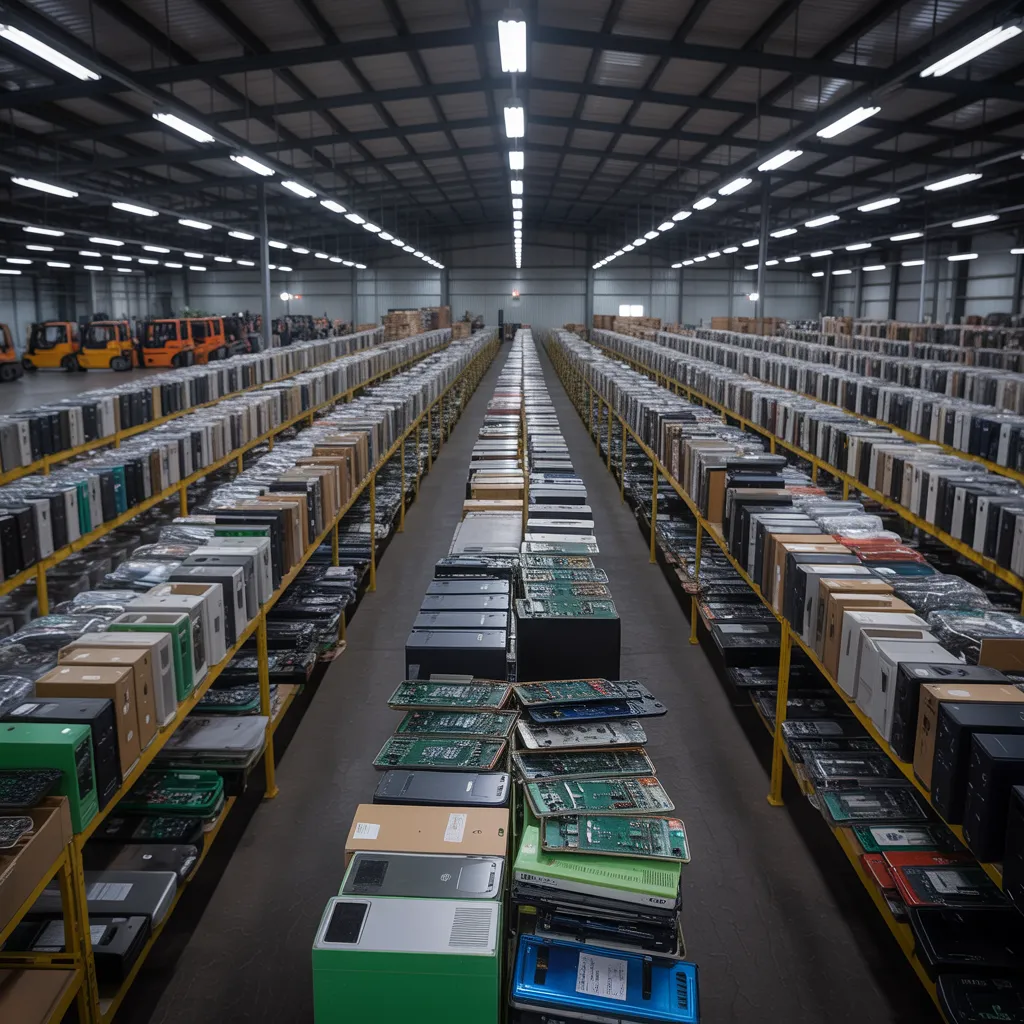
The Ecological Burden of E-Waste
The increase in electronic device usage has triggered a escalating problem: e-waste. This waste consists of abandoned electronic devices that contain hazardous materials, including lead, mercury, and cadmium. When improperly disposed of, these substances can seep into soil and water systems, creating serious threats to human health and ecosystems. The accumulation of e-waste in landfills worsens these issues, as the breakdown of electronic components emits toxic chemicals into the environment. Additionally, e-waste leads to resource depletion; valuable metals like gold and copper are often lost rather than recycled. In many regions, insufficient e-waste management practices
Why Electronic device Recycling Is important
Understanding the importance of electronics recycling is essential in dealing with the escalating e-waste crisis. As technology advances, the volume of discarded electronics continues to grow, posing significant environmental risks. Improper disposal can lead to hazardous materials leaching into soil and water, threatening ecosystems and human health.
Processing electronic waste mitigates these dangers by making sure that valuable resources, such as metals and plastics, are recovered and repurposed. This process cuts down the requirement for new raw materials, thus conserving natural resources and reducing energy consumption associated with production.
Additionally, recycling supports lowering greenhouse gas emissions connected to manufacturing. By advancing conscientious waste handling practices, communities can build a culture of sustainability and ecological guardianship. Ultimately, electronics recycling is not simply an option; it is an vital component of a broad approach to establish a cleaner, healthier planet for subsequent generations.
How to Recognize Recyclable Electronic devices?
What way can individuals use to identify which electronics are recyclable? Establishing recyclable electronics demands reviewing multiple factors. First, individuals should examine for specific recycling symbols or labels, which reveal the product's recyclability. Common recyclable items include smartphones, laptops, tablets, and televisions, as they typically hold components that can be reused.
Next, people must think about the age and condition of the device; older electronics are often more likely to be able to be recycled due to being outdated. Furthermore, regional regulations play a significant role; many municipalities provide guidelines on which electronics can be recycled.
Ultimately, checking manufacturer resources or recycling programs can help determine which devices are accepted in recycling initiatives. By implementing these steps, individuals can make informed decisions about their electronics, contributing to a more responsible method to waste management.
Eco-Friendly Electronics Removal Procedures
To address eco-friendly electronics disposal, it is essential to initially recognize the types of e-waste that need correct treatment. Following this, choosing responsible recycling options guarantees that these materials are processed in an ecologically safe fashion. This approach not only reduces waste but also fosters sustainable practices throughout the society.
Recognize E-Waste Classifications
E-waste consists of a diverse collection of discarded electronic devices that pose environmental hazards if not disposed of correctly. Frequent types of e-waste include computers, laptops, smartphones, tablets, televisions, and printers. Household appliances like microwaves, refrigerators, and air conditioners also belong to this classification. Moreover, smaller electronics such as gaming consoles, chargers, and batteries contribute to the growing e-waste concern. Each device contains harmful materials, including heavy metals and toxins, which can contaminate soil and water if handled irresponsibly. Recognition of these e-waste types is vital for effective disposal, ensuring individuals and organizations to take necessary steps towards sustainable recycling and environmental preservation. Proper identification is the first and crucial step in responsible e-waste management.
Select Responsible Recycling Choices
Choosing careful recycling approaches is vital for minimizing environmental impact. People should seek accredited e-waste recycling locations that follow local and international regulations. These locations promise that dangerous waste are handled properly, avoiding contamination of soil and water. Moreover, many companies run take-back schemes, enabling consumers to send back old devices safely. Partnering with community recycling events can also strengthen responsible disposal efforts, providing accessible options for everyone. It is crucial to research and check the credentials of recycling partners to guarantee they value eco-friendly practices. By choosing wisely and employing available resources, consumers can help build a sustainable future while effectively managing electronic waste.
Tips for Finding the Best Electronics Recycling Program
When considering the finest electronics recycling initiative, consumers should emphasize sustainability and compliance with area laws. A trustworthy program will comply with professional guidelines, ensuring that hazardous materials are handled securely and responsibly.
Furthermore, people should investigate the program's credentials, such as R2 (Responsible Recycling) or e-Stewards, which demonstrate compliance with strict environmental and ethical guidelines. Openness is also essential; programs should clearly outline their processes for recycling and provide information on how materials are disposed of or reused.
Looking at feedback from customers and testimonials can offer insight into the program's reliability and effectiveness. Furthermore, accessibility and convenience are important factors; individuals should select a program that is easy to reach and offers consult now various drop-off or pick-up options. Ultimately, picking the right electronics recycling program supports also sustainability efforts but also guarantees compliance with local laws and regulations.
Primary Benefits of Recycling Your Electronic Devices
Recycling tech devices delivers remarkable environmental protection benefits by minimizing dangerous materials and curtailing pollution. Additionally, it plays a crucial responsibility in resource preservation, facilitating valuable materials to be recovered and repurposed. These merits highlight the significance of proper electronic waste handling in promoting a greener tomorrow.
Green Conservation Benefits
Electronics recycling serves a crucial role in preserving nature by greatly reducing electronic waste, which often contains dangerous elements. When improperly disposed of, these materials can leach into soil and waterways, creating notable health risks for ecosystems and communities. By processing electronics, toxic materials such as lead, mercury, and cadmium are securely handled, preventing pollution. Additionally, waste recovery helps decrease the demand for landfills, which often struggle with overflowing waste and polluted leachate. Through proper waste handling practices, valuable components are recovered, encouraging a cleaner environment. Moreover, environmental programs raise awareness about green habits, encouraging individuals and businesses to make ecological decisions. Ultimately, electronics recycling fosters a healthier planet for future generations.
Conservation Resource Impact
The preservation of resources is a major benefit of recycling electronics, greatly cutting down on raw material extraction. By reprocessing old devices, metals such as gold, silver, and copper can be recovered and reused, lessening the demand for new resource extraction. This approach not only safeguards natural habitats but also minimizes energy consumption associated with mining and refining. Additionally, recycling electronics reduces the environmental impact of waste disposal, as discarded devices often hold hazardous substances. By supporting the reuse of materials, recycling encourages a closed-loop economy, where resources are continually repurposed instead of discarded. Ultimately, recycling electronics has a pivotal role in sustainable resource management, guaranteeing that future generations can obtain essential materials without exhausting the planet’s resources.
What Approaches Can Assist You Advocate for Electronic equipment Disposal Awareness?
Boosting knowledge of the importance of responsible e-waste disposal can materially alter environmental sustainability. Companies and people can serve as essential partners in this movement by utilizing diverse channels to inform the public. Social media initiatives, practical workshops, and public events are effective mechanisms to share details about the advantages of equipment recycling.
Working with local schools, businesses, and environmental groups can boost these efforts. Providing clear, accessible resources about recycling options, such as drop-off locations and collection events, fosters participation.
Influential storytelling stressing the dangers of improper disposal and success stories of effective recycling initiatives can speak to audiences. Additionally, lobbying for measures that strengthen recycling infrastructure and stimulate participation can drive lasting shifts. By fostering a atmosphere of responsibility regarding electronic waste, advocates can help guarantee a stronger planet for future generations.
Frequently Asked Questions
Could I Recycle Electronics Without Deleting Confidential Information First?
Disposing of electronic devices without deleting personal data is not advisable. Confidential data could be accessed by others, leading to identity theft. Ethical recycling includes data wiping or device destruction to confirm personal information is protected.
What Happens to My Electronics After Disposal?
Following reprocessing, equipment are disassembled, with valuable materials pulled out for secondary use. Dangerous elements are securely treated, preventing environmental harm. Finally, reprocessing guarantees ethical waste management, conserving resources and decreasing landfill deposits while fostering environmental stewardship.
Do Costs Apply When Processing Electronics?
Prices for recycling electronics can change based on location and organization. Some facilities supply free services, while others may ask for a small fee, especially for substantial pieces or specific types of electronic waste.
How Regularly Should I Reuse My Old Devices?
Individuals ought to consider recycling their old devices every one to two years, or whenever they upgrade to new technology. Routine reuse helps reduce electronic waste and ensures responsible disposal of outdated electronics.
Is Contributing Electronics Feasible Instead of Recycling Them?
Yes, offering electronics is a workable option in place of recycling. Numerous charities welcome functional devices, offering a second life to the items while assisting those in need. Confirming they meet donation criteria is vital.